Athlete Fueling & Recovery Meal Plan
A training-day nutrition guide designed to support energy, strength, recovery, hydration, and performance from the inside out.
This meal plan was built with purpose. It is not just a list of meals or “healthy food ideas.” It is designed around the way an athlete’s body works before training, during activity, and after performance.
Athletes place higher demands on their bodies. Practices, games, workouts, heat, travel, long school days, stress, and recovery all require consistent fuel. When an athlete is under-fueled, the body has to work harder to keep up. This can show up as low energy, poor focus, slower recovery, muscle soreness, cravings, mood changes, poor sleep, increased injury risk, and decreased performance.
This plan helps athletes understand how to fuel with intention, not restriction.
The goal is to support the whole athlete: energy, strength, digestion, hydration, recovery, focus, and long-term resilience.
The Fueling Formula
Most athlete meals should include five key pieces:
1. Protein
Protein supports muscle repair, strength, tissue recovery, growth, and steady energy. Athletes need protein consistently throughout the day, not only after a workout or at dinner.
Examples include:
Chicken, Turkey, Beef, Eggs, Greek yogurt, Cottage cheese, Protein smoothies, Beans, if tolerated High-quality protein snacks
2. Carbohydrates
Carbohydrates are the body’s preferred fuel source for speed, power, endurance, lifting, sprinting, throwing, hitting, running bases, and repeated game-day effort.
Carbs are not the enemy for athletes. They are a tool.
Examples include:
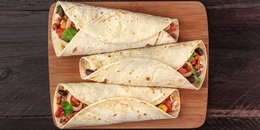
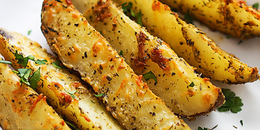
Rice, Potatoes, Sweet potatoes, Oats, Fruit Wraps, Toast, Pasta, if tolerated Granola Applesauce, Smoothies
3. Healthy Fats
Healthy fats support hormones, brain function, nervous system health, and longer-lasting energy. They are helpful throughout the day, but may need to be lighter right before training so food does not sit too heavy.
Examples include:
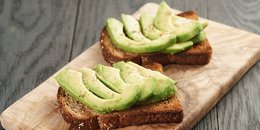
Avocado Olive, Nut butter, Nuts, Seeds, Egg yolks, Full-fat yogurt, if tolerated
4. Color
Fruits and vegetables provide vitamins, minerals, antioxidants, fiber, and recovery support. Color helps the body manage the stress that comes from training, sweating, travel, and competition.
Examples include:
Berries, Oranges, Bananas, Apples, Spinach, Peppers, Carrots, Cucumbers, Roasted vegetables, Salads Smoothie add-ins
5. Fluids and Minerals
Athletes need more than water. Minerals help support hydration, muscle contraction, energy, focus, and recovery. This is especially important in heat, long practices, tournaments, and heavy sweat days.
Hydration support may include:
Water Electrolytes, Mineral-rich foods Sodium support for heavy sweaters,Fruit with high water content Consistent hydration before game day
How This Meal Plan Is Structured
Before Training or Games
The goal before training is energy.
Meals and snacks before activity are placed with carbohydrates on purpose. Carbs help give the body usable fuel for movement, speed, strength, and focus.
A good pre-training meal or snack should be easy to digest and should not feel too heavy.
Good options may include:
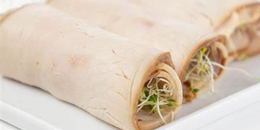
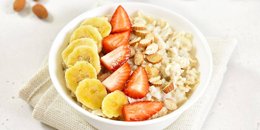
Banana with nut butter, Greek yogurt with fruit, Rice cakes with honey and peanut butter, Turkey roll-up with fruit, Oatmeal with protein, Smoothie with protein and fruit, Toast with eggs, Applesauce pouch with a beef stick, Chicken and rice bowl if there is enough time before activity
During Long Training Days, Games, or Tournaments
The goal during long activity days is steady fuel.
Athletes may need smaller snacks between games, during long practices, or while traveling. These should be simple, easy to eat, and not too heavy on digestion.
Good options may include:
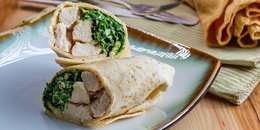
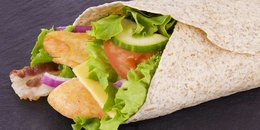
Fruit,Electrolyte drink,Turkey or chicken wrap,Protein bar with simple ingredients Greek yogurt pouch Trail mix, if tolerated Applesauce pouch,Beef stick with fruit Granola with yogurt Rice cakes Pretzels with protein nearby
For tournaments or doubleheaders, athletes should avoid waiting until they are starving. Small, consistent fueling helps prevent energy crashes.
After Training or Games
The goal after activity is recovery.
After training, games, or workouts, the body needs protein to repair muscle and carbohydrates to refill stored energy. This is when recovery meals matter most.
A strong recovery meal should include:
Protein, Carbohydrates, Color from fruits or vegetables,Fluids Minerals
Good recovery meal examples include:
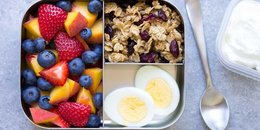
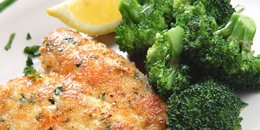
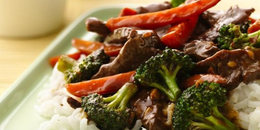
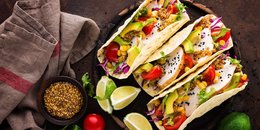
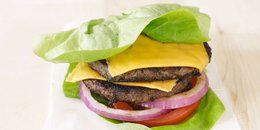
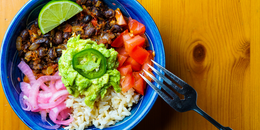
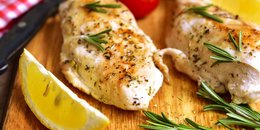
Chicken and rice bowl with vegetables, Beef and potato bowl, Eggs with toast and fruit, Turkey sandwich with fruit, Greek yogurt with granola and berries, Protein smoothie with fruit and minerals, Chicken tacos with avocado and salsa Burger bowl with potatoes and vegetables
Skipping recovery meals can lead to more soreness, lower energy the next day, poor sleep, increased cravings, and slower progress.
Why Meal Placement Matters
Meals are placed in this plan with intention.
Carbohydrates are placed before training and games to support energy, speed, and performance.
Protein is included throughout the day to support muscle repair, strength, growth, and blood sugar balance.
Recovery meals are placed after activity to help the body rebuild, restore, and prepare for the next session.
Snacks are included to support long days, tournaments, travel, and athletes who need more fuel between meals.
Hydration and minerals are included because performance drops quickly when the body is under-hydrated or depleted.
This structure teaches athletes how to fuel around the work they are asking their bodies to do.
Training Day Goals
On training days, athletes should focus on:
Eating enough food. Getting protein at each meal. Using carbs before and after activity. Hydrating before they feel thirsty. Adding minerals when sweating heavily. Eating a recovery meal after training or games .Avoiding long gaps without food. Choosing foods that digest well for their body
This is not about perfect eating. It is about consistent fueling.
Game Day Goals
On game days, athletes should focus on:
Starting the day with breakfast eating before arriving hungry. Using simple carbs for quick energy. Avoiding greasy or heavy foods too close to game time. Keeping snacks available. Drinking water consistently. Adding electrolytes when needed. Eating a recovery meal after the game
Game day nutrition should be practiced ahead of time. Athletes should not try brand-new foods right before competition.
Snack Ideas by Purpose
Before Training or Games
Best when the athlete needs quick energy.
Banana with nut butter, Greek yogurt with berries, Toast with honey and eggs, Rice cakes with peanut butter, Applesauce pouch with beef stick, Smoothie with protein and fruit,Oatmeal with protein, Fruit and cheese
Between Games
Best when the athlete needs fuel without feeling too full.
Fruit,Electrolyte drink,Turkey wrap,Chicken wrap,Protein bar,Yogurt pouch,Applesauce pouch,Pretzels with a protein option Trail mix, if tolerated Rice cakes with honey
After Training or Games
Best for rebuilding and recovery.
Chicken and rice bowl, Beef and potato bowl, Eggs with toast and fruit, Turkey sandwich with fruit, Greek yogurt with granola, Protein smoothie, Chicken tacos, Burger bowl, Cottage cheese with fruit
Bio-Individual Adjustments
Every athlete is different. This plan provides structure, but it should still be adjusted based on the athlete’s body, schedule, digestion, training load, and goals.
Athletes may need changes based on:
Practice time, Game time, Tournament schedule, Travel Heat exposure, Appetite Digestion, Food preferences, Allergies or sensitivities, Body size, Strength goals ,Recovery needs
Some athletes need more food than they think. Some need easier-to-digest meals around activity. Some need extra hydration and minerals. Some need more consistent protein. The goal is to learn what supports the athlete best.
What Athletes Should Learn From This Plan
This plan is meant to build awareness, not pressure.
Athletes should understand:
Food is part of preparation. Carbs support energy and performance.Protein supports strength and recovery. Hydration affects focus, stamina, and muscle function. Recovery starts after training ends. Skipping meals can work against performance. Fueling well supports the body on and off the field
Healthy on Purpose Approach
At Healthy on Purpose with HomePlates, athlete nutrition is viewed through a whole-body lens. Performance is not only about calories or macros. It is about how the body is digesting, absorbing, hydrating, recovering, regulating energy, and handling stress.
This meal plan is built to support the athlete from the inside out with structure, intention, and bio-individual awareness.
The goal is not to chase perfection.
The goal is to help athletes fuel on purpose.


Hi, I’m Autumn Lopez, a Nutritional Therapy Practitioner with over 20 years of experience in the health and wellness field. My journey began with a deep love for alternative therapies, which led me to become a licensed massage therapist. That experience sparked my lifelong curiosity and passion for understanding how truly remarkable and resilient our bodies are — and how they work hard every day to keep us not just surviving, but thriving.
As my interest in holistic health grew, I dove deeper into the world of nutrition and wellness. I became certified in Nutrition Response Testing (also known as muscle testing), a fascinating non-invasive technique that uses the body’s own neurological feedback to identify nutritional imbalances and guide personalized support. Muscle testing taps into the body’s innate intelligence, helping us uncover what’s interfering with optimal function — whether it’s food sensitivities, organ stress, or environmental toxins.
From there, I expanded my knowledge as a Holistic Nutrition and Wellness Coach, and eventually as a Nutritional Therapy Practitioner. This role has allowed me to blend everything I’ve learned to support my clients in achieving lasting wellness by focusing on nutrient-dense foods, quality sleep, balanced movement, and effective stress management — while also becoming mindful of hidden environmental toxins that can impact our health.
I’ve seen powerful changes in my own health by honoring the body with real food, high-quality supplements, and a whole-body approach — and I’m passionate about helping others do the same. I love walking alongside my clients, offering hope, education, and practical tools so they can not only take better care of themselves, but also inspire wellness in those around them.